Speculation is no longer a major driving force of crypto adoption. Infrastructure and clear regulations are shaping how individuals and corporations use crypto.
The Next Chapter of Crypto Adoption Is Already Taking Shape
One of the biggest discussions across the cryptocurrency space is whether the era of hype- and speculation-driven growth is over. While the answer is not entirely clear, the market appears to be moving toward real-world utility. The next chapter of crypto adoption looks set to be driven by infrastructure and clear regulation rather than speculation. Several developments in the past few years support this direction, even as prices remain down at the moment.
How Crypto is Evolving in 2026
Since Bitcoin was created in 2009, cryptocurrency has developed into one of the most valuable global financial markets. The early era, defined by novelty, gradually gave way to the era of hype and innovation. That area built the crypto market into an attraction for speculators. But in the last three years, infrastructure has seemed to be the anchor of the next phase of growth.
The reason for this is simple. Institutional adoption is highly sought after in any market for several reasons, but especially for the deep liquidity and legitimacy that it brings. Yet institutional investors are not driven by hype or speculation but by utility, value, and longevity. As a result, the crypto market is evolving into a practical financial infrastructure with regulatory frameworks and technologies that consolidate prior gains and build toward future expansions. This will be achieved through real-world utility, mainstream enterprise integration,
asset tokenization, and the expansion of stablecoin adoption for daily use. This era also embraces artificial intelligence and machine-to-machine microtransactions.
The Pillars of Modern Crypto Infrastructure
To understand the next chapter of crypto, it is necessary to examine the pillars that underpin trust and security.
Unified Market Access
Traders who wanted to explore the crypto market in the early days faced a maze of isolated networks and disconnected banking rails. To fund accounts and trade crypto, they had to rely on slow, expensive wire transfers to international platforms. They also had to move capital between different blockchains, which required high-risk bridging protocols. This was clearly impractical for retail and institutional investors.
The solution is a direct unification of market access and on-ramps. Modern brokers now integrate traditional and digital assets, allowing traders to access them on a single platform. Brokers use a practical solution that allows fund managers and retail traders to trade crypto and traditional assets on trusted platforms.
One fintech company that reflects this evolution is OANDA’s
crypto trading platform. OANDA provides traders with exposure to crypto markets through a firm already established in global financial services. This allows retail and institutional traders to explore long-term holding and spot trading through a regulated broker with powerful infrastructure.
Institutional-Grade Custody
The primary barrier to entry for large-scale capital was the inherent risk of storing digital assets. In the early crypto cycles, market participants were forced to choose between complex self-custody and unregulated third-party exchanges. Yet, self-custody demanded absolute perfection. A single lost private key or compromised seed phrase could irreversibly destroy capital.
This challenge is largely overcome in the era of Multi-Party Computation (MPC) technology. MPC eliminates traditional private key vulnerabilities, making storage and transactions safer. That is not all. Established traditional financial institutions and highly licensed crypto-native custodians have also stepped up. They secure the market through institutional guardrails such as segregated accounts, comprehensive insurance, and regulatory compliance.
Regulatory Compliance
Although many governments reacted negatively to the early growth of crypto, they have since shifted their stances over the last decade.
Crypto operated on the fringes of the global regulatory perimeter but is now entering the phase of uniform regulation. Different government bodies labeled the same asset as a currency, a commodity, a personal asset, or an unregistered security. The turning point came when they moved from reactive to proactive rule-making.
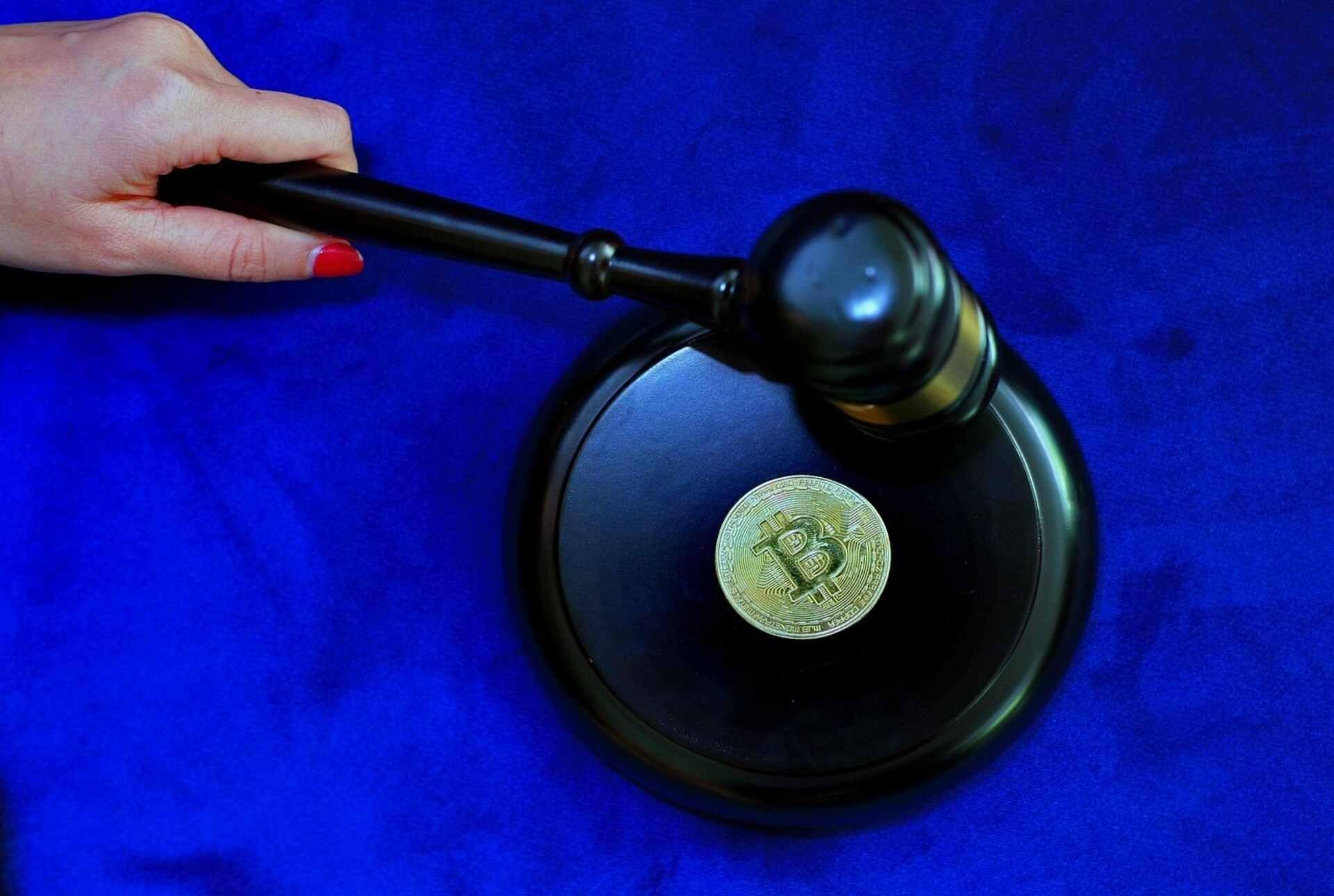
Now, leading regulators are rolling out frameworks that provide a unified playbook for digital assets and service providers. Europe’s MiCA, the U.S. GENIUS Act, strict guidelines from the SEC and CFTC, and Asia-Pacific merit-based licensing have built a solid foundation for crypto adoption.
This enables global compliance, turning regulation into a powerful growth catalyst. For example, the approval of the first
spot Bitcoin ETF in January 2024 saw $4.6 billion in inflows in a single day. Institutional adoption follows regulatory clarity.
Deep Liquidity and Funding
Liquidity is a critical component of the crypto industry. Over the last decade, crypto liquidity has moved from being highly fragmented across dozens of small, isolated exchanges. Liquidity now relies on smart order routings (SOR), institutional market makers, and prime brokerage architecture. These ensure that large capital can execute multi-million dollar positions without upsetting markets.
This is crucial to the next phase of crypto adoption. Market stability enables real-world use of digital assets for payments, trading, savings, and more at all levels. For example, institutional investors can move massive amounts of capital without affecting the value of the payment token used by IoT devices for automated payments.
From tier-1 banking liquidity pools to regulated OTC desks and retail trading, the confidence that comes with stable liquidity enables builders to anticipate trends and develop products with real-world applications.
Developers will also have access to massive funds from corporations and governments dedicated to advancing crypto. This paves the way for AI agents to reshape demand and shift the market towards sophistication, rather than speculation.
Why This Infrastructure-Driven Cycle is Different

The infrastructure-based cycle will be directly powered by real-world utility and integration with massive corporations, rather than speculation. This is defined by the adoption of programmable stablecoins and tokenized traditional assets, as well as by corporate treasuries. There is also accelerated development in central bank digital currencies (CBDCs) and automated trading.
This will be a massive area in the future, especially as the lines between man and machine thin. The automation of financial trading and investment will make it easier for traders to instantly buy/sell stocks, currencies, crypto, commodities, etc., without opening multiple accounts. This will further reduce the regulatory limitations and enhance capital allocation.
The Road Ahead
There will be no official baton handovers, as in the races. The crypto industry will quietly roll into the next phase, anchored on the strength of modern technologies, regulatory clarity, and deep institutional liquidity. The major signs will be the growth of utility and RWA tokens and massive capital inflows into the crypto ETFs and projects.
Disclaimer: This content is a sponsored post and is intended for informational purposes only. It was not written by Hashrate, does not reflect the views of Hashrate and is not a financial advice. Please do your research before engaging with the products.
Last updated: August 25, 2026












 MEXC Exchange
 Kryptex
 Jingle mining
 MinerBros
 gpus.net
 gpus.no
 gpus.se
 gpus.dk